
What is a Destination Architect? The empty village that changed everything
How we built Europe's first nomad hub with zero marketing budget

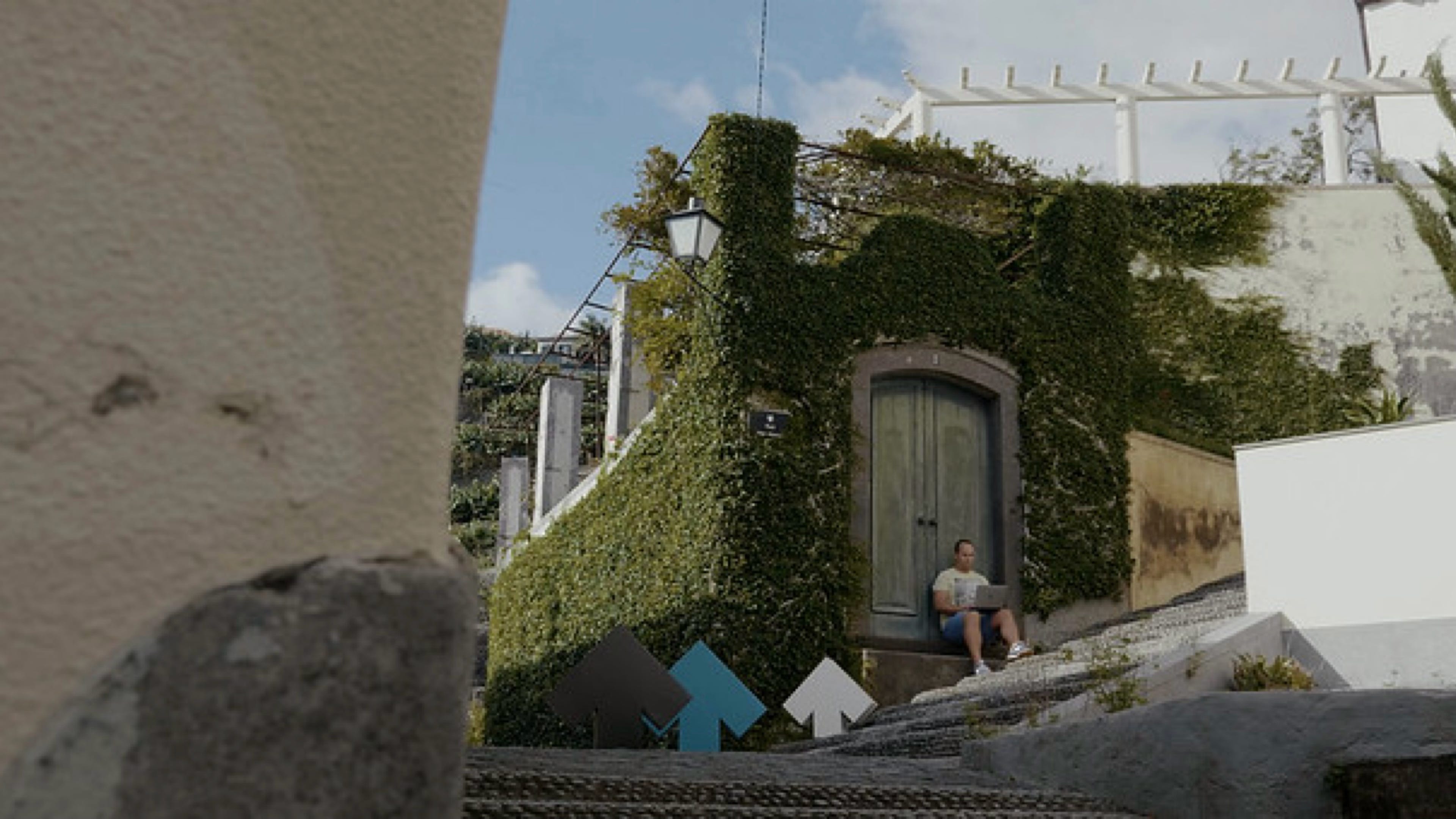
November 2020. I’m standing in Ponta do Sol, a small village on Madeira’s southern coast, and I’m terrified.
The cafés are empty. The hotels are closed. The streets feel abandoned. We’re in the middle of a global pandemic, and I’ve just convinced the regional government to let me try something that’s never been done before: build a digital nomad village here.
In three months, we’d welcome our first nomads. I had no marketing budget, no playbook, and no guarantee this would work.
The traditional approach would have been obvious: create a flashy campaign, buy ads, partner with influencers, sell the destination. That’s what tourism boards do. That’s what everyone expected.
But I had a different theory.
I believed that if you build the right community infrastructure first, if you create a place where people genuinely want to connect and stay, the marketing takes care of itself. People talk. They share. They bring their friends.
So instead of spending money we didn’t have on advertising, I did something simpler. I built a free coworking space with daily events. A headquarters for the community we wanted to create.
And then I posted about it on LinkedIn.
What happened next still surprises me.
We launched in February 2021 with 20 people. By April, there were over 2,500 digital nomads spread across the island. Parties, workshops, collaborations, Madeira came alive in the middle of a global pandemic when everywhere else was shutting down.
What I learned
I spent the next four years living in Ponta do Sol, six to nine months each year, watching what we built evolve. The numbers kept growing: 20,000+ nomads per year, over €30 million in economic impact, 300+ press mentions, and something I didn’t fully anticipate, foreign direct investment.
Companies started relocating. One tech company moved their entire operation to Madeira, hired 10+ local employees, and it all started because their CEO stayed in the community for two months as a nomad.
This is when I understood what we’d actually built, and what was missing from how most destinations think about development.
The Community-First Principle
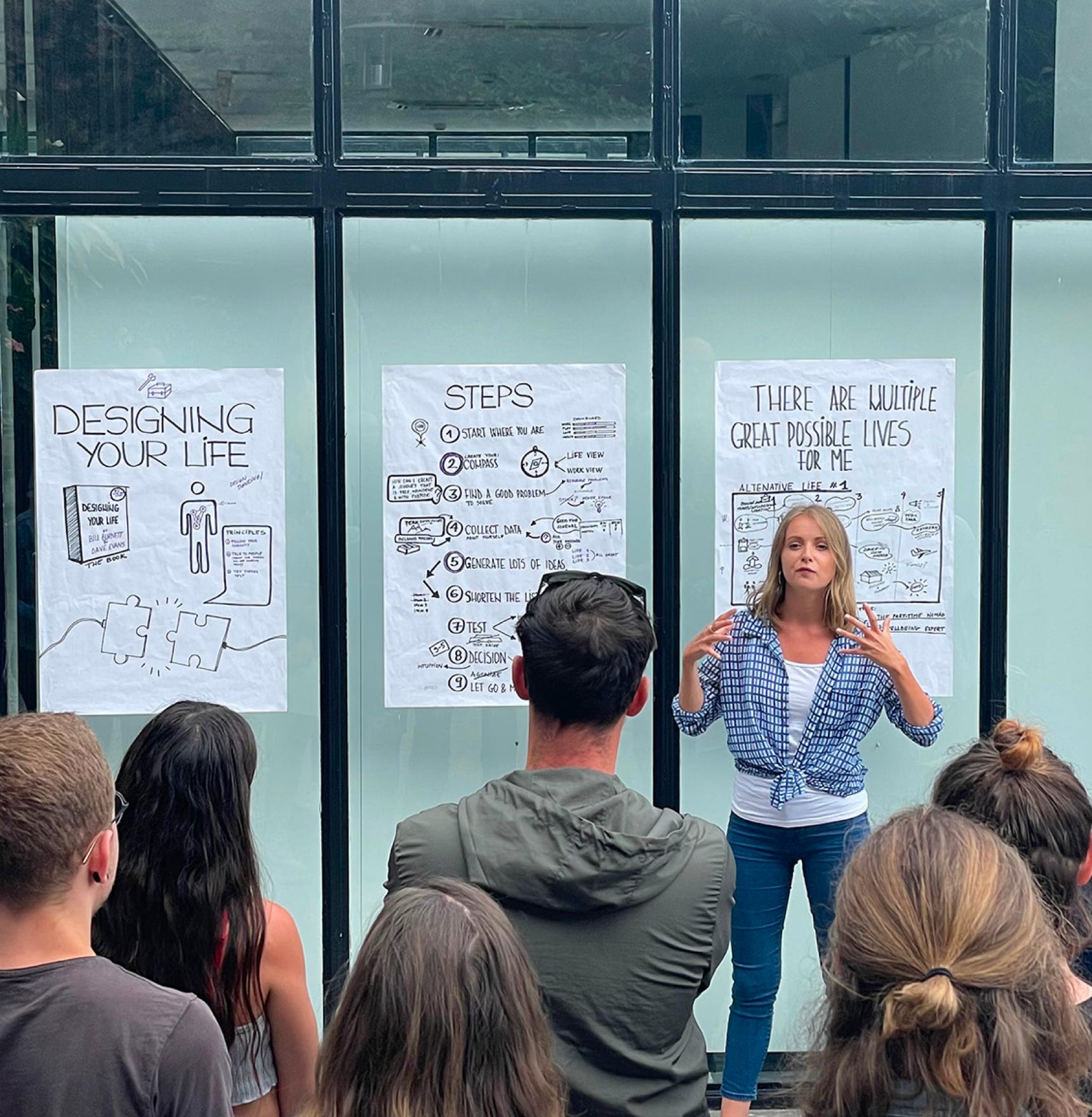
Every community needs a headquarters. For us, it was the coworking space, not because nomads needed desks, but because they needed a place to collide. Daily events created rhythm. Familiar faces created trust. Trust created collaboration.
The conventional wisdom says: build infrastructure, then attract people. We did the opposite. We attracted people first, and the infrastructure followed, new cafés, restaurants, better coffee, healthier food options. The village transformed because the community demanded it.
Nomads as Catalysts
Here’s what most governments don’t understand: when you build for nomads, you improve the experience for everyone.
Tourists benefit from better services. Locals benefit from new businesses and jobs. Investors see an active, global community and recognize opportunity. The nomad isn’t the end customer, they’re the catalyst that transforms the entire destination.
This is the shift that changes everything. You’re not marketing to nomads. You’re using nomad-centric development to make a place better for everyone who touches it.
The Three-Layer Model
Madeira taught me that successful destination development happens in three layers:
Layer 1: Tourism. Short-term visitors who experience and spend.
Layer 2: Nomads. Medium-term residents who build community and improve quality of life.
Layer 3: Talent and Investment. Long-term commitment, skilled professionals relocating, companies moving operations, entrepreneurs starting businesses, capital flowing in. The nomad pipeline becomes a talent pipeline.
Most destinations only think about Layer 1. Some are starting to think about Layer 2. Almost none connect all three.
That connection, designing for all three layers simultaneously, is what I now call being a Destination Architect.
What this means
A Destination Architect doesn’t just attract visitors. They design ecosystems where communities form, economies grow, and places genuinely transform.
This requires a different mindset than traditional tourism marketing. It’s slower. It’s harder to measure in the short term. It demands presence, I couldn’t have built Madeira from a distance.
But when it works, the results compound in ways that no marketing budget can replicate. The community becomes the marketing. The quality of life becomes the pitch. The investment follows the energy.
Why I’m writing this
Since Madeira, I’ve worked with governments in Cabo Verde, Brazil, Morocco, and consulted for Prospera. Each project teaches me something new about what makes destinations succeed or fail.
Now I’m leading the Roatán Tourism Bureau in Honduras.
Over the coming months, I’ll be applying everything I’ve learned to develop this Caribbean island, a new canvas, new challenges, new wild experiments.
This newsletter is where I’ll share all of it.
The wins. The fails.
The frameworks that work and the ideas that don’t.
Real-time lessons from the field.
If that sounds useful to you, subscribe below. I’ll see you in the next one.
Gonçalo